
Care for every stage,
with a female GP available.
Cervical screening, contraception, periods, pregnancy, menopause and breast health on Segenhoe Street, for women from Aberdeen, Scone and across the Upper Hunter. A female GP is available, so ask for who you would prefer when you book.
Good to know before you book.
A female GP is available
Ask for Dr Sasikala (Sasi) Hariharan or Dr Prishantha Sirisena when you book. Reception will tell you when they are next available.
Dr Hariharan and Dr Sirisena are female GPs. You can choose either when you book online.
Book with Dr HariharanYou can do the swab yourself
Cervical screening can be self-collected, in private, with no speculum examination. Ask about it when you book.
Self-collection is the same test, and it is accurate for screening.
Read about cervical screeningAsk for a longer appointment
Contraception, menopause and period problems usually take longer than a standard visit. Say what it is about when you book.
Reception can set aside the right amount of time when you tell them what the visit is for.
Call to book: (02) 6543 8424A chaperone, any time
You can ask for a chaperone for any examination, without giving a reason, and you are welcome to bring a support person.
Being comfortable is part of good care. These rights are part of our practice policies.
Read your patient rights
Find the care that fits.
Choose a topic to see what is involved, the questions people ask most, and how to book.
Cervical screening, your way.
Cervical screening checks for human papillomavirus (HPV), the virus that can slowly cause changes to the cervix over many years. If you have a cervix and are aged 25 to 74, screening is recommended every five years when your results have been normal.
Since 2022, everyone eligible can choose to collect their own sample with a simple swab, in private. There is no speculum and no examination by the doctor, and both methods are accurate for screening.
- Book with the GP you prefer
- Choose self-collection or a clinician sample
- Results sent to your GP
- Reminder when your next test is due
Put screening off because of the examination? Self-collection and a female GP are both options here, and you can ask for a chaperone at any point.
When is self-collection not suitable?
Self-collection is for screening, when you have no symptoms. Unusual bleeding, bleeding after sex, pelvic pain or an unusual discharge need a proper assessment, so book an appointment to talk it through.
What happens if HPV is found?
It depends on the type. Some results lead to a referral for a closer look at the cervix (colposcopy), and others to a repeat test. Finding HPV is not a cancer diagnosis. It is the screening program working years earlier than it used to.
Do I still need screening after the HPV vaccine or menopause?
Yes. Screening is still recommended if you have had the HPV vaccine, if you are no longer sexually active, and after menopause.
What does it cost?
The consultation is bulk billed for eligible patients with a valid Medicare card. The laboratory test is covered under the National Cervical Screening Program for eligible people.
More options than most people realise.
There are many contraception options, and the one that suits you at 22 is often not the one that suits you at 38. Things worth weighing include how long it lasts, whether you have to remember it, what it does to your periods, how quickly fertility returns, and how it fits with your other health conditions.
Long-acting options such as the contraceptive implant and intrauterine devices (IUDs) are among the most effective, because there is nothing to remember. Contraceptive implant insertion is available at Aberdeen Surgery. Ask about IUDs when you book, and if insertion is not done here, we will help arrange it.
- Book a longer appointment
- Talk through every option
- Start, or book an insertion
- Review how it suits you
Need emergency contraception? It works better the sooner it is taken, and it is available from a pharmacy without a prescription. Do not wait for an appointment.
Which methods are most effective?
Long-acting reversible methods, the implant and IUDs, are the most effective because they remove the chance of a missed dose. Your GP can talk through the pros and cons of every option.
Will it affect my fertility later?
For most methods, fertility returns promptly after stopping. With the contraceptive injection it can take longer, which is worth knowing if pregnancy is on the horizon.
Can contraception help with heavy or painful periods?
Some methods can make periods lighter and less painful, and are used for that reason too. Raise both at the same appointment.
What does it cost?
Your consultation is bulk billed for eligible patients with a valid Medicare card. Some devices, medicines and procedures can attract a cost, and reception will tell you before anything goes ahead.
Pain that stops your day is worth checking.
Period pain that keeps you home from work or school, bleeding you plan your week around, and cycles that never settle are reasons to see a GP, not things to put up with. Endometriosis can take years to diagnose, often because severe pain is assumed to be normal.
Heavy bleeding is common and is a frequent cause of low iron, which can leave you tired, breathless and struggling to concentrate. Polycystic ovary syndrome (PCOS) is also common and is worth managing early.
- Track your cycle and symptoms
- Talk it through with your GP
- Tests or an ultrasound if needed
- A plan to manage it
Bring the detail. A cycle app or a note on your phone, showing when bleeding starts and stops, how heavy it is and when pain comes, makes the appointment far more useful.
What might endometriosis feel like?
Pain that starts before bleeding and lasts beyond it, pain with sex, pain opening the bowels or passing urine around your period, and tiredness. Pain not controlled by ordinary pain relief should be checked.
What is PCOS?
Polycystic ovary syndrome can cause irregular or absent periods, acne, extra hair growth and difficulty with weight. It also affects long-term health, so it is worth diagnosing and managing early.
Should I check my iron?
If your periods are heavy, or you are tired in a way that sleep does not fix, ask your GP about iron studies. Low iron is common and treatable.
How is heavy bleeding assessed?
Usually with a history, an examination, blood tests and sometimes an ultrasound. There are effective options to manage it.
A good time to see us is before you start.
A preconception appointment is one of the most useful visits in general practice. Folate is best started at least a month before conception, immunity to infections such as rubella and chickenpox can be checked in time to vaccinate, and medicines can be reviewed.
Once you are pregnant, your GP can see you for pregnancy care and checks, and after your baby arrives, for postnatal checks for you and your baby, immunisations and an honest conversation about how you are going.
- Preconception visit
- Folate, vaccines and medicines
- Early pregnancy care
- Postnatal checks for you both
In early pregnancy, do not wait. Severe one-sided pain, shoulder-tip pain, heavy bleeding, dizziness or fainting need urgent assessment. Call 000 or go to the nearest emergency department.
When should I start folate?
At least a month before conception and through the first trimester. It works before most people know they are pregnant, which is why it needs to start early.
What about my current medicines?
Bring everything, including supplements. Some medicines need changing before pregnancy and some are fine to continue. Do not stop anything on your own; talk to your GP first.
We have been trying for a while. When should we check?
Generally after twelve months of trying, or six months if you are over 35. Investigation involves both partners.
Is pregnancy care bulk billed?
GP consultations are bulk billed for eligible patients with a valid Medicare card. Some pathology and imaging can carry a cost, and you will be told before anything is ordered.
It often starts earlier than people expect.
Perimenopause commonly begins in the forties and can run for several years before periods stop. Because cycles are still happening, symptoms such as broken sleep, mood changes, brain fog, joint aches, heavy or unpredictable bleeding and hot flushes are often put down to stress or age.
Since July 2025, Medicare has funded a longer health assessment for perimenopause and menopause for eligible patients. It makes room to talk through symptoms, bone and heart health, contraception if it is still needed, and the full range of management options with their benefits and risks. Ask reception whether it applies to you.
- Write down your symptoms
- Book a longer assessment
- Talk through the options
- Review and adjust
One symptom that is always checked: any bleeding after your periods have stopped for twelve months needs to be looked at promptly, even a single spot.
How do I know if it is perimenopause?
Usually from the pattern of your age, cycle changes and symptoms. Hormone levels fluctuate so much during perimenopause that a single blood test is often not helpful.
What are the options?
They range from sleep, exercise, alcohol and weight through to medical and non-medical treatments. What suits you depends on your symptoms and your health history, and your GP will talk through the benefits and risks.
Do I still need contraception?
Usually yes, for a time after your last period. How long depends on your age, so it is worth asking.
Can I bring a list?
Please do. Symptoms are easier to describe from a written list, and it makes a longer appointment more productive.
Know what is normal for you.
There is no right way to check your breasts. What matters is knowing how they normally look and feel, so you notice changes. See your GP about a new lump or lumpiness, changes to the nipple or nipple discharge, skin changes such as dimpling or redness, or unusual pain that does not go away.
BreastScreen Australia offers free screening mammograms every two years for women aged 50 to 74, and women aged 40 to 49 and over 75 are also eligible. You do not need a referral for BreastScreen.
- Know your normal
- See your GP about any change
- Tests and referral if needed
- BreastScreen every 2 years from 50
Screening is for people without symptoms. If you notice a change, book with your GP rather than waiting for your next screening appointment.
Do I need a referral for a mammogram?
Not for BreastScreen screening mammograms. If you have symptoms, your GP can arrange the right tests and referral.
What if breast cancer runs in my family?
Talk to your GP. A family history may change when and how often screening is recommended, and whether a referral is appropriate.
Confidential, judgement-free care.
Sexual health checks, testing for sexually transmissible infections, and advice on contraception and safer sex are a routine part of general practice. Many infections have no symptoms, so testing is worth doing if you have a new partner or are unsure.
Your consultation is confidential, and you can ask to see a female GP.
- Book confidentially
- Talk through what suits you
- Tests, often self-collected
- Results and any treatment
How often should I be tested?
It depends on your situation. Your GP can suggest what is sensible for you, without judgement.
Is it confidential?
Yes. Your health information is private and handled in line with our privacy policy.
The numbers worth knowing.
Key facts about screening and care, at a glance.
25to 74
Cervical screening age range
For people with a cervix, with self-collection available.
5years
Between cervical screens
When your results have been normal.
2years
Between BreastScreen mammograms
Free for women aged 50 to 74.
2female GPs
At Aberdeen Surgery
Ask for either when you book.
What is due at your age?
Australia's screening programs start at different ages and run on different timeframes. Move the slider to see what generally applies.
40years
General information about Australian programs, not a personal plan. Talk it through with your GP.
- Cervical screeningEvery 5 years from 25 to 74 for people with a cervix, with self-collection available.
- Breast screening (BreastScreen)Free mammograms every 2 years for women aged 50 to 74. Women aged 40 to 49 and over 75 are also eligible.
- Bowel screeningA free home test kit every 2 years from 45 to 74, through the National Bowel Cancer Screening Program.
- Heart health checkA Medicare-funded check from 45, or from 30 for Aboriginal and Torres Strait Islander people.
- Lung cancer screeningFor people aged 50 to 70 with a significant smoking history, through the National Lung Cancer Screening Program.
- Bone densityMedicare covers bone density scans from 70, and earlier for some risk factors.
Everyone involved, around you.
Your care can involve more than one person. Choose a part of your care team to see how it fits together.
Your care team
Your GP
Coordinates your care, from screening and contraception to pregnancy and menopause, and keeps your history in one place.
Meet the GPsYour care team
Practice nurse
Helps with immunisations, health assessments, wound care and some tests.
ImmunisationYour care team
Pathology and imaging
Blood tests, swabs and ultrasounds, arranged by your GP. Providers set their own fees.
Pathology and blood testsYour care team
Specialists
Gynaecologists, obstetricians and others, by referral when you need them.
Referrals to specialistsYour care team
Allied health
Physiotherapists, including pelvic floor physiotherapy, dietitians and psychologists, by referral.
Allied healthYour care team
BreastScreen
Free screening mammograms every two years from 50. No referral needed.
Care at every stage.
- Periods and period pain
- Contraception advice
- HPV vaccination
- Acne and skin
- Cervical screening
- Contraception reviews
- Sexual health checks
- Pregnancy planning
- Preconception check
- Pregnancy care and checks
- Postnatal checks
- Mental health and wellbeing
- Perimenopause care
- Menopause health assessment
- Breast and bowel screening
- Heart health check
- Bone and heart health
- Continence and pelvic health
- Ongoing screening
- Healthy ageing
GPs with an interest in women's health.
Every GP here can help with women's health. These GPs list it among their interests. All are bulk billing GPs for eligible patients with a valid Medicare card.
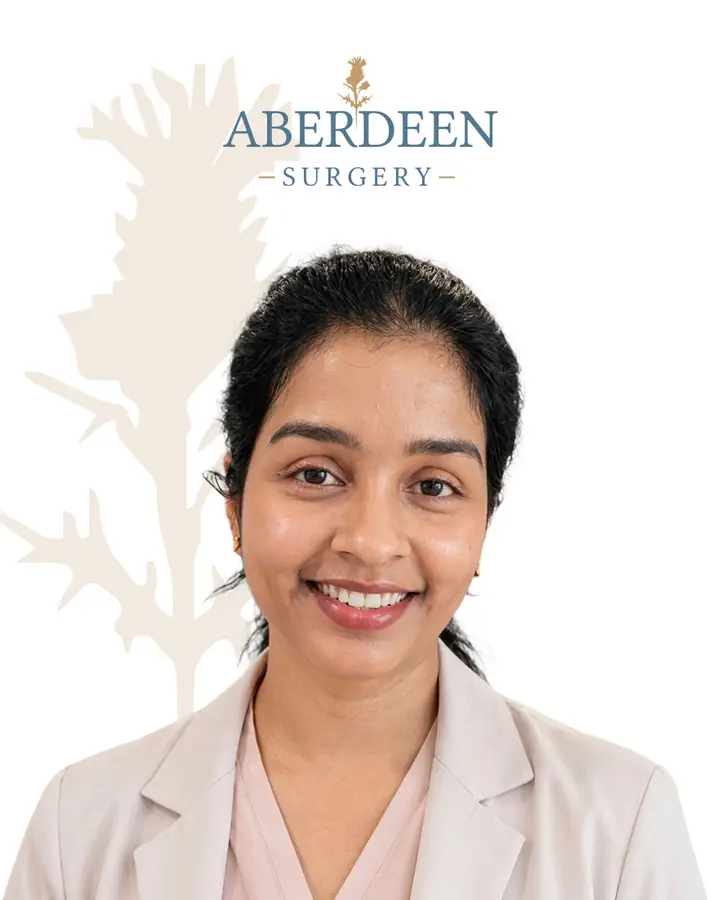





Female GP. Women's health including pregnancy care, family planning and children's health. Speaks English, Tamil and Telugu.
Book with this GP (opens HotDoc in a new tab)Female GP Registrar. Women's health, children's health and care of older adults, undertaking an Advanced Certificate in Women's Health.
Book with this GP (opens HotDoc in a new tab)Women's health and menopause, weight management and healthy ageing.
Book with this GP (opens HotDoc in a new tab)Minor procedures, including contraceptive implant insertion, and preventive health.
Book with this GP (opens HotDoc in a new tab)Women's health, children's health and chronic disease management.
Book with this GP (opens HotDoc in a new tab)Women's health, children's health and acute and chronic care.
Book with this GP (opens HotDoc in a new tab)
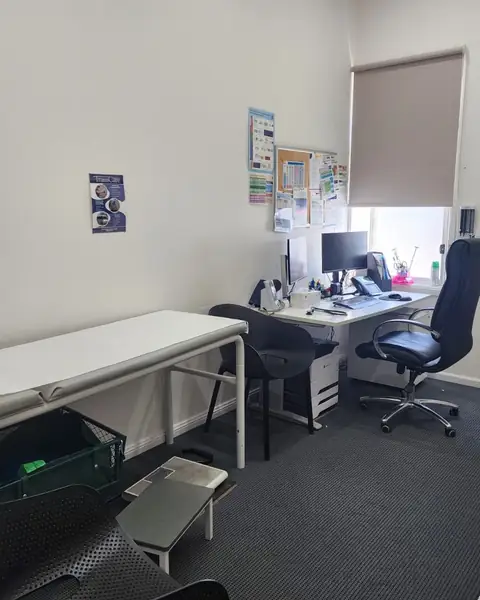
Make the most of your appointment.
A little preparation gives you and your GP more time for what matters to you.
What to bring
Your ticks are saved on this device only.
What your care will cost.
GP consultations, including cervical screening and contraception appointments, are bulk billed for eligible patients with a valid Medicare card. Some devices, medicines, procedures and privately purchased vaccines can attract a cost, and reception will tell you before anything goes ahead.
Bulk billed
GP consultations
Including cervical screening, contraception, pregnancy and menopause appointments, for eligible patients with a valid Medicare card.
Fee may apply
Devices, consumables and private vaccines
Some contraceptive devices, procedure consumables and privately purchased vaccines. Reception will tell you the cost first.
Set by the provider
Pathology, imaging and specialists
Providers set their own fees. Medicare rebates may apply.
If things change between visits.
- Getting worse?(02) 6543 8424Call reception and tell them things have changed, so you can be seen at the right time.
- When we are closed1800 022 222healthdirect, for health advice any time of day or night. Pregnancy, Birth and Baby is on 1800 882 436.
- In an emergency000Heavy bleeding with dizziness, severe pelvic pain, or early pregnancy pain. The nearest emergency departments are at Muswellbrook and Scone hospitals.
Signs that need urgent help
- Heavy bleeding that soaks through protection every hour, or bleeding with dizziness, fainting or breathlessness
- In early pregnancy: severe one-sided pain, shoulder-tip pain, heavy bleeding, dizziness or fainting
- Sudden severe pelvic or abdominal pain
- Thoughts of harming yourself or your baby. You can also call Lifeline on 13 11 14 at any time
Women's health questions, answered.
If yours is not here, call (02) 6543 8424 and reception will help.
Is there a female GP at Aberdeen Surgery?
Yes. Dr Sasikala (Sasi) Hariharan and Dr Prishantha Sirisena are female GPs. Ask for either when you book online or call reception.
Do I need a referral?
No. Women's health care is general practice care, and you can book directly. Your GP writes referrals when a specialist opinion is needed.
Is women's health care bulk billed?
GP consultations are bulk billed for eligible patients with a valid Medicare card. Some devices, procedures and privately purchased items carry a cost, and reception will tell you first.
Can I collect my own cervical screening sample?
Yes. Self-collection is available to everyone eligible for cervical screening. It is the same test and it is accurate for screening.
Can I ask for a chaperone?
Yes, at any point, for any examination, without giving a reason. You are also welcome to bring a support person.
Do you insert contraceptive implants?
Yes. Contraceptive implant insertion is available at Aberdeen Surgery. Ask about intrauterine devices when you book, and we will help arrange insertion if it is not done here.
How long should I book for?
Contraception, menopause, period problems and anything with more than one concern usually need a longer appointment. Tell reception what it is about when you book.
Are you accepting new patients?
Yes. Aberdeen Surgery is currently accepting new patients. Book online any hour through HotDoc or call (02) 6543 8424.
Nothing matches that. Try a broader word, or call reception on (02) 6543 8424.
Related reading and services.
- Menopause and perimenopauseHealth Journal article
- ADHD in women and girlsHealth Journal article
- Bulk billing explainedHealth Journal article
- Mental health careService
- Our teamMeet the GPs
- All services37 services on Segenhoe Street
This page is general health information. It is not advice about your own situation and does not replace a consultation with your doctor. In an emergency, call 000.
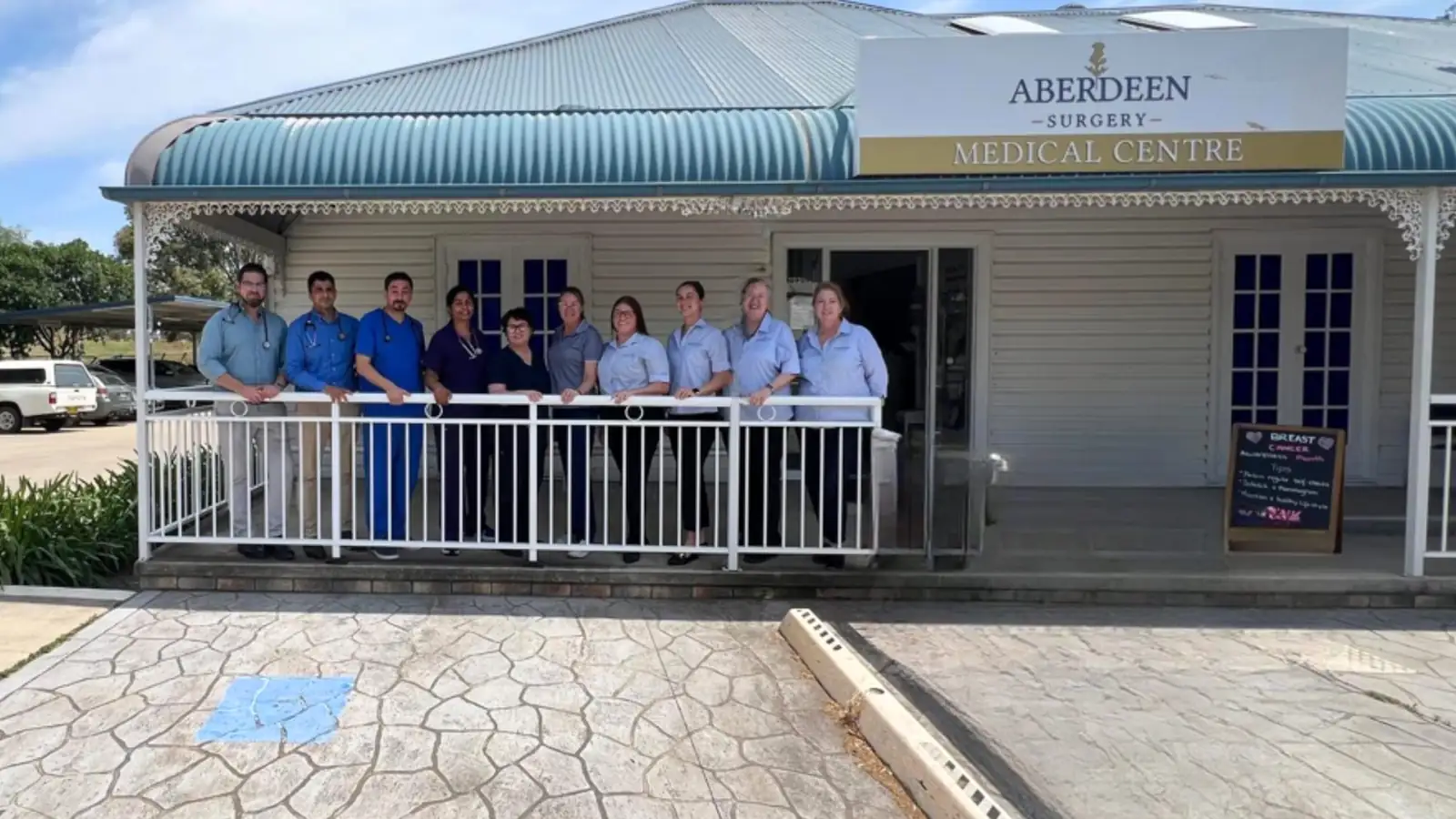
Your health, in your hands.
Book online any hour, or call reception from 8:00am, Monday to Friday. Bulk billed for eligible patients with a valid Medicare card.