
Blocked ears, cleared.
Gentle removal of ear wax when it is blocking your ears or affecting your hearing. Bulk billed for eligible patients with a valid Medicare card.
Good to know before you book.
Soften the wax first
Using wax-softening drops for a few days beforehand makes removal easier.
Your pharmacist or GP can advise which drops to use.
How to prepareNot for everyone
Syringing is not suitable for some people, such as those with a perforated eardrum or grommets.
Your GP will check your ears first.
Who should avoid itNever use cotton buds
Cotton buds push wax deeper and can damage the ear.
Ears usually clean themselves.
Book an ear check (opens HotDoc in a new tab)Bulk billed consultations
GP consultations are bulk billed for eligible patients with a valid Medicare card.
Where a fee applies, reception will tell you before your appointment.
See all fees
Find the care that fits.
Choose a topic to see what is involved, the questions people ask most, and how to book.
Getting ready.
Use wax-softening drops for three to five days before your appointment, as advised. Your GP will look in your ears first to confirm wax is the problem and that syringing is safe.
Syringing is not suitable if you have a perforated eardrum, grommets, an ear infection, or have had ear surgery.
- Book an ear check
- Talk it through with your GP
- Tests, treatment or referral if needed
- Follow-up and review
Does it hurt?
It should not. Tell your GP if it is uncomfortable.
What if it does not all come out?
You may need to use drops for longer and come back.
Not just wax?
If your hearing is reduced and wax is not the cause, your GP can check for other causes, such as infection or fluid, and refer you for a hearing test.
Sudden hearing loss in one ear needs prompt assessment.
- Book an appointment
- Talk it through with your GP
- Tests, treatment or referral if needed
- Follow-up and review
Sudden hearing loss in one ear? Book promptly. It needs assessment within days.
Should I get my hearing tested?
If you are noticing changes, yes. Your GP can refer you.
What about ringing in my ears?
Tinnitus is worth mentioning, especially if it is new or one-sided.
The numbers worth knowing.
Key facts about screening and care, at a glance.
What is due at your age?
Australia's screening programs start at different ages and run on different timeframes. Move the slider to see what generally applies.
40years
General information about Australian programs, not a personal plan. Talk it through with your GP.
Everyone involved, around you.
Your care can involve more than one person. Choose a part of your care team to see how it fits together.
Your GPs.
Any of our GPs can help. These GPs list related areas among their interests. All are bulk billing GPs for eligible patients with a valid Medicare card.




Chronic disease, skin health, and women's, men's and children's health.
Book with this GP (opens HotDoc in a new tab)Acute and chronic disease management, and skin checks.
Book with this GP (opens HotDoc in a new tab)General adult medicine, nutrition and care of older adults.
Book with this GP (opens HotDoc in a new tab)Emergency medicine background, skin cancer checks, chronic disease and minor procedures.
Book with this GP (opens HotDoc in a new tab)
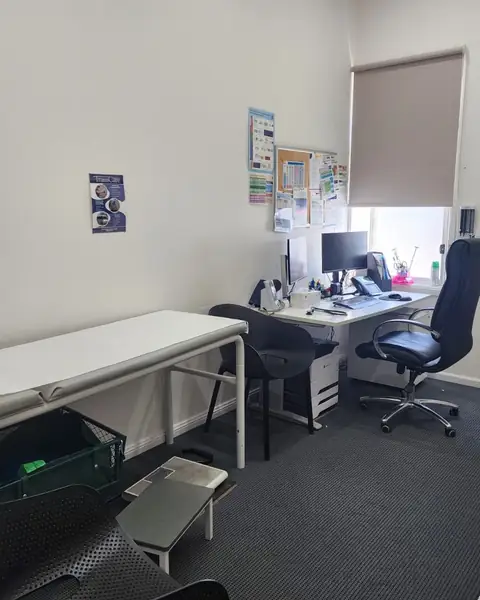
Make the most of your appointment.
A little preparation gives you and your GP more time for what matters to you.
What to bring
Your ticks are saved on this device only.
What your care will cost.
GP consultations are bulk billed for eligible patients with a valid Medicare card. Where a fee applies, reception will tell you before your appointment.

Bulk billed
GP consultations
GP consultations for eligible patients with a valid Medicare card.
Fee may apply
Some items and procedures
Some consumables, devices and privately purchased items. Reception will tell you first.
Set by the provider
Other providers
Pathology, imaging, allied health and specialists set their own fees.
If things change between visits.
- Getting worse?(02) 6543 8424Call reception and tell them things have changed, so you can be seen at the right time.
- When we are closed1800 022 222healthdirect, for health advice any time of day or night. Poisons Information Centre is on 13 11 26.
- In an emergency000Bleeding after a procedure that does not stop with 15 minutes of firm pressure. The nearest emergency departments are at Muswellbrook and Scone hospitals.
Signs that need urgent help
- Bleeding after a procedure that does not stop with 15 minutes of firm pressure
- Spreading redness, swelling, pus or fever around a wound or procedure site
- Chest pain, fainting or sudden breathlessness
- A severe allergic reaction: swelling of the face or tongue, or trouble breathing
Ear syringing questions, answered.
If yours is not here, call (02) 6543 8424 and reception will help.
Is it bulk billed?
GP consultations are bulk billed for eligible patients with a valid Medicare card. Where a fee applies, reception will tell you before your appointment.
Do I need ear drops beforehand?
Usually yes, for three to five days. Your GP or pharmacist will advise.
Is it safe for everyone?
No. It is not suitable with a perforated eardrum, grommets, infection or previous ear surgery.
Is it bulk billed?
Yes, for eligible patients with a valid Medicare card.
Are you accepting new patients?
Yes. Aberdeen Surgery is currently accepting new patients. Book online any hour through HotDoc or call (02) 6543 8424.
Nothing matches that. Try a broader word, or call reception on (02) 6543 8424.
Related reading and services.
- Skin cancer checksService
- Biopsies and minor excisionsService
- Wound and dressing careService
- CryotherapyService
- Our teamMeet the GPs
- All services37 services on Segenhoe Street
This page is general health information. It is not advice about your own situation and does not replace a consultation with your doctor. In an emergency, call 000.

Ear syringing, close to home.
Book online any hour, or call reception from 8:00am, Monday to Friday. Bulk billed for eligible patients with a valid Medicare card.