
Little people,
big questions, answered.
From newborn checks and immunisations to fevers, rashes, asthma and growing up, your family GP is close to home on Segenhoe Street. Bulk billed for eligible patients with a valid Medicare card.
Good to know before you book.
Bring the Blue Book
Your child's Personal Health Record (the Blue Book) helps us track growth, checks and vaccines.
Every visit can be recorded in it, so it stays a complete record.
Book a child health check (opens HotDoc in a new tab)Free childhood vaccines
Vaccines on the National Immunisation Program schedule are free for eligible children.
Staying on schedule protects your child and the community.
See the immunisation timelineUnwell today?
Call reception from 8:00am. They will do their best to fit in a child who cannot wait.
Tell reception how unwell your child is so they can prioritise.
Call (02) 6543 8424Teens can talk to us too
Young people can see a GP on their own, and their consultations are confidential, within safety limits.
From around 15, young people can have their own Medicare card.
Book a teen appointment (opens HotDoc in a new tab)
Find the care that fits.
Choose a topic to see what is involved, the questions people ask most, and how to book.
Those early weeks and months.
Your GP can check your baby's growth, development, feeding and sleep, and answer the many questions that come with a new baby. The six-week check for your baby can often be done at the same time as your own postnatal check.
Immunisations start at birth and continue at six weeks, four months and six months, so regular visits are a good time to check in on how you are both going.
- Book a baby check
- Talk it through with your GP
- Tests, treatment or referral if needed
- Follow-up and review
Under three months with a fever? See a doctor promptly. If your baby is floppy, hard to wake or struggling to breathe, call 000.
My baby has a fever. When should I worry?
Any fever in a baby under three months needs to be seen by a doctor promptly. At any age, see a doctor urgently if your baby is floppy, not feeding, hard to wake, or has trouble breathing.
Can you help with feeding and settling?
Yes. Your GP can check your baby, talk through feeding and sleep, and connect you with child and family health nurses or parenting services when that would help.
When your child is unwell.
Most childhood illnesses, such as colds, ear aches, sore throats and tummy bugs, get better on their own, but it is always worth seeing a GP if you are worried, if your child is not improving, or if something does not feel right.
Your GP will examine your child, explain what is going on and what to watch for, and tell you clearly when to come back.
- Book an appointment
- Talk it through with your GP
- Tests, treatment or referral if needed
- Follow-up and review
Does my child need antibiotics?
Many childhood infections are caused by viruses, which antibiotics do not treat. Your GP will explain whether antibiotics would help in your child's case.
When should we come back?
Your GP will give you clear signs to watch for. Come back or call if your child is getting worse, is not drinking, or you are worried.
Breathing easier.
Asthma is common in Australian children. A written asthma action plan helps you, your child's school and carers know what to do, and regular reviews keep it up to date as your child grows.
Your GP can also help with eczema, hay fever and suspected allergies, and refer you to a specialist when it is needed.
- Book an asthma review
- Talk it through with your GP
- Tests, treatment or referral if needed
- Follow-up and review
Severe asthma attack? If your child is struggling to breathe, cannot speak in sentences or their lips look blue, call 000.
How often should asthma be reviewed?
At least once a year, and after any flare-up or hospital visit. Bring your child's inhalers and spacer to the appointment.
Does my child need an asthma action plan for school?
Yes, schools and childcare services ask for one. Your GP can complete it with you.
Growing up well.
Every child develops at their own pace. If you have questions about speech, movement, learning, behaviour, sleep or toileting, your GP can check your child's development and arrange support from speech therapists, occupational therapists, paediatricians or other services if needed.
If you are wondering about ADHD, Dr Layth Almallah provides ADHD assessment and ongoing management for children. It is a private service, so a fee applies.
- Book a development check
- Talk it through with your GP
- Tests, treatment or referral if needed
- Follow-up and review
My child is not talking as much as other kids. Should I worry?
Children develop at different rates, but it is worth checking. Your GP can assess your child and refer for a hearing check or speech therapy if needed.
Can you help with sleep or behaviour?
Yes. Your GP can look for causes, suggest strategies and connect you with parenting support.
A safe place for young people.
Young people can talk to a GP about anything, including mood, stress, sleep, skin, periods, sexual health and relationships. Consultations are confidential, and GPs only share information without consent if there is a serious risk to safety.
Teens can book on their own, and from around 15, can apply for their own Medicare card.
- Book a teen appointment
- Talk it through with your GP
- Tests, treatment or referral if needed
- Follow-up and review
Can my teenager see a GP without me?
Yes. Many young people like to have some time alone with their GP, and this is a normal part of growing up.
Will the GP tell me what my teen said?
Consultations are confidential. GPs encourage young people to involve their parents, and only share information without consent if there is a serious risk to safety.
The numbers worth knowing.
Key facts about screening and care, at a glance.
5years
Free flu vaccine for children under
From 6 months to under 5 years.
15years
Own Medicare card from
Young people can apply for their own card.
Immunisations by age.
The National Immunisation Program schedule, at a glance. Move the slider to your child's age to see what is due around then.
1years
General information about the National Immunisation Program schedule. Some children, including Aboriginal and Torres Strait Islander children and children with some medical conditions, have extra vaccines. Your GP or nurse will confirm what your child needs.
- BirthHepatitis B vaccine, usually given in hospital.
- 6 weeks, 4 months and 6 monthsVaccines including diphtheria, tetanus, whooping cough, polio, hepatitis B, Hib and pneumococcal, plus rotavirus drops.
- 12 monthsMeasles, mumps and rubella, meningococcal ACWY and pneumococcal vaccines.
- 18 monthsMeasles, mumps, rubella and chickenpox, plus diphtheria, tetanus, whooping cough and Hib.
- 4 yearsDiphtheria, tetanus, whooping cough and polio booster. A good time for a general health check before school.
- Year 7 (around 12 to 13)HPV vaccine and a diphtheria, tetanus and whooping cough booster, usually given at school.
- Year 10 (around 15 to 16)Meningococcal ACWY vaccine, usually given at school.
- Flu vaccine every yearFree for children from 6 months to under 5 years, and recommended for everyone from 6 months.
Everyone involved, around you.
Your care can involve more than one person. Choose a part of your care team to see how it fits together.
Your care team
Your GP
Sees your child for checks, illness and development, and keeps the family history together.
Meet the GPsYour care team
Child and family health nurse
Support with feeding, sleep and development in the early years.
Your care team
Allied health
Speech pathologists, occupational therapists and psychologists, by referral.
Allied healthYour care team
School and childcare
Asthma and action plans your GP can complete.
Care as your child grows.
- Growth and feeding checks
- Six-week check
- Immunisations
- Sleep and settling
- 12 and 18 month vaccines
- Speech and development
- Coughs, colds and rashes
- Toilet training questions
- 4 year vaccines
- Health check before school
- Hearing and vision concerns
- Asthma and allergies
- Asthma action plans
- Sports injuries
- Learning and behaviour
- Skin and eczema
- Confidential appointments
- Mental health and stress
- Periods and acne
- School vaccines
GPs with an interest in children's health.
Every GP here sees children. These GPs list children's health among their interests. All are bulk billing GPs for eligible patients with a valid Medicare card.
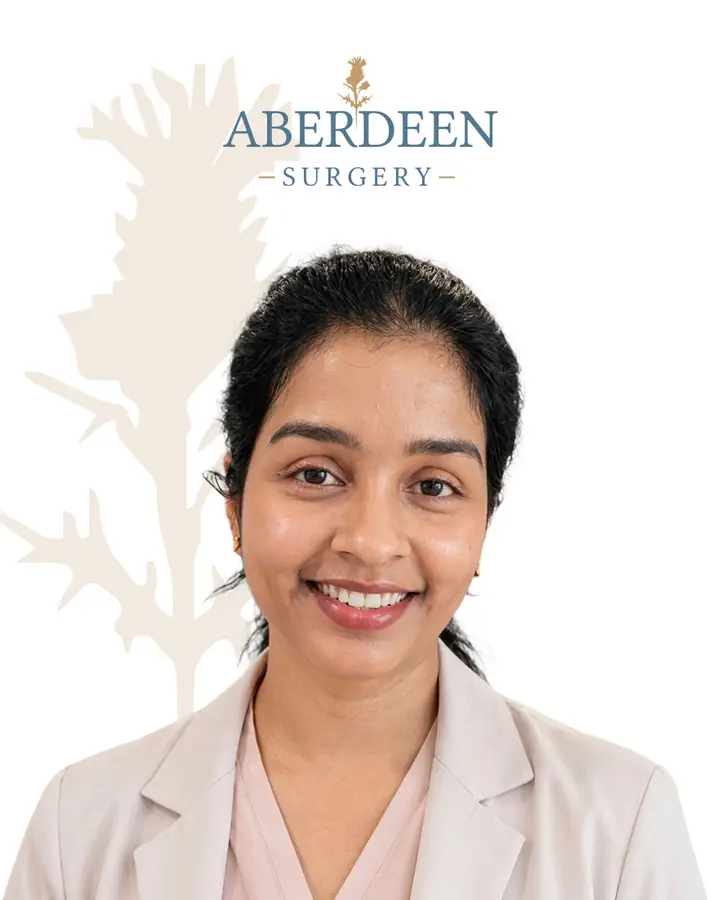

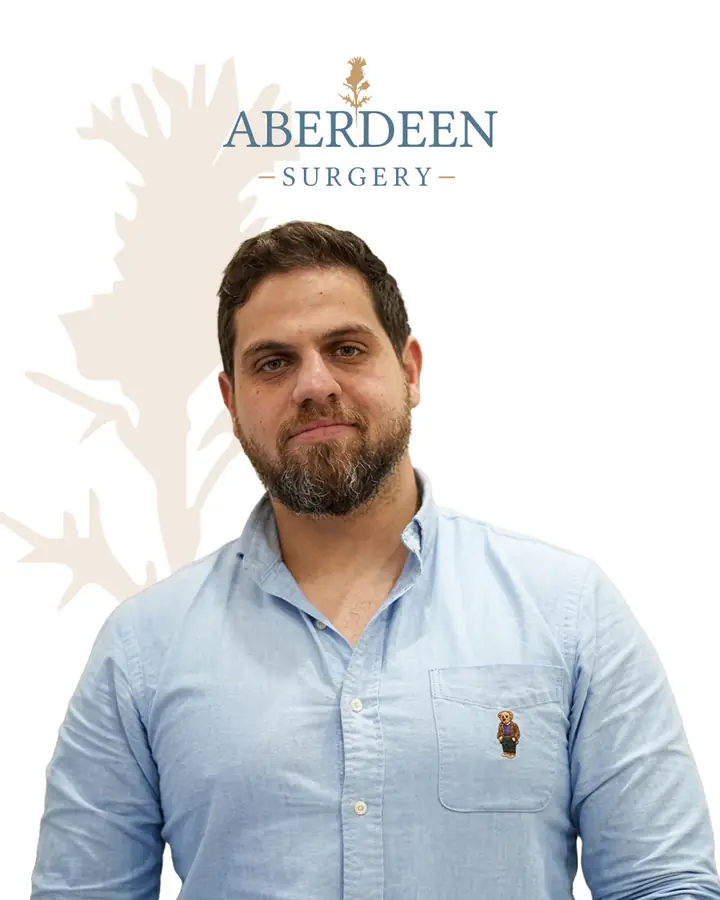


Female GP. Children's health, family planning and women's health.
Book with this GP (opens HotDoc in a new tab)Female GP Registrar. Children's health, with experience in paediatrics.
Book with this GP (opens HotDoc in a new tab)Children's health, chronic illness and skin health.
Book with this GP (opens HotDoc in a new tab)Children's health and acute and chronic care.
Book with this GP (opens HotDoc in a new tab)Children's and adolescent health, asthma, and ADHD assessment and management (private fee).
Book with this GP (opens HotDoc in a new tab)
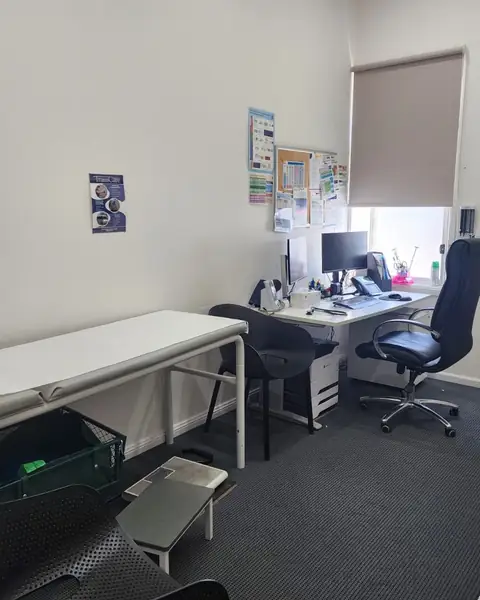
Make the most of your appointment.
A little preparation gives you and your GP more time for what matters to you.
What to bring
Your ticks are saved on this device only.
What your care will cost.
GP consultations for children are bulk billed for eligible patients with a valid Medicare card. Vaccines on the National Immunisation Program are free for eligible children.
Bulk billed
GP consultations
GP consultations for babies, children and teens, for eligible patients with a valid Medicare card.
Bulk billed
Free vaccines
Vaccines on the National Immunisation Program schedule for eligible children.
Set by the provider
Other providers
Specialists, pathology and allied health set their own fees. Medicare rebates may apply.
If things change between visits.
- Getting worse?(02) 6543 8424Call reception and tell them things have changed, so you can be seen at the right time.
- When we are closed1800 022 222healthdirect, for health advice any time of day or night. Poisons Information Centre is on 13 11 26.
- In an emergency000Trouble breathing, blue or grey lips, or a child who cannot speak in sentences. The nearest emergency departments are at Muswellbrook and Scone hospitals.
Signs that need urgent help
- Trouble breathing, blue or grey lips, or a child who cannot speak in sentences
- A baby under three months with a fever, or any child who is floppy, drowsy or hard to wake
- A rash that does not fade when pressed with a glass, especially with fever
- A seizure, a suspected poisoning, or signs of dehydration such as no wet nappies
Children's health questions, answered.
If yours is not here, call (02) 6543 8424 and reception will help.
Are children's appointments bulk billed?
GP consultations are bulk billed for eligible patients with a valid Medicare card, including babies, children and teens.
Are childhood vaccines free?
Vaccines on the National Immunisation Program schedule are free for eligible children. Your GP or nurse will confirm what your child needs.
Can my teenager see a GP alone?
Yes. Young people can see a GP on their own, and consultations are confidential within safety limits.
My child is sick today. Can we be seen?
Call reception from 8:00am. They will do their best to fit in a child who cannot wait. In an emergency, call 000.
Do you do ADHD assessments for children?
Yes. Dr Layth Almallah provides ADHD assessment and ongoing management for children. It is a private service, so a fee applies.
Nothing matches that. Try a broader word, or call reception on (02) 6543 8424.
Related reading and services.
- ADHD in childrenHealth Journal article
- ImmunisationService
- Antenatal and postnatal careService
- ADHD assessmentService
- Our teamMeet the GPs
- All services37 services on Segenhoe Street
This page is general health information. It is not advice about your own situation and does not replace a consultation with your doctor. In an emergency, call 000.
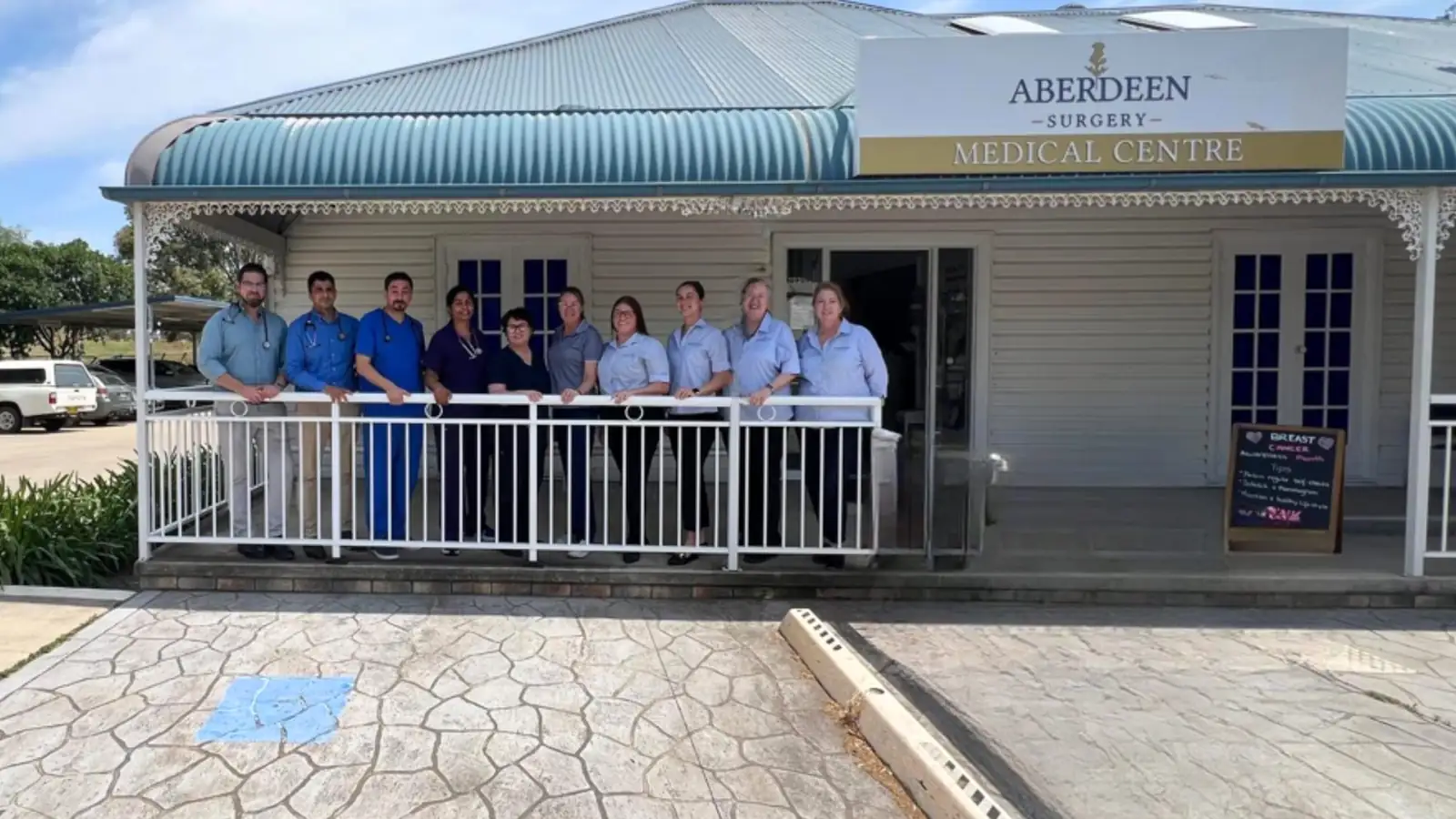
Healthy kids, close to home.
Book online any hour, or call reception from 8:00am, Monday to Friday. Bulk billed for eligible patients with a valid Medicare card.